
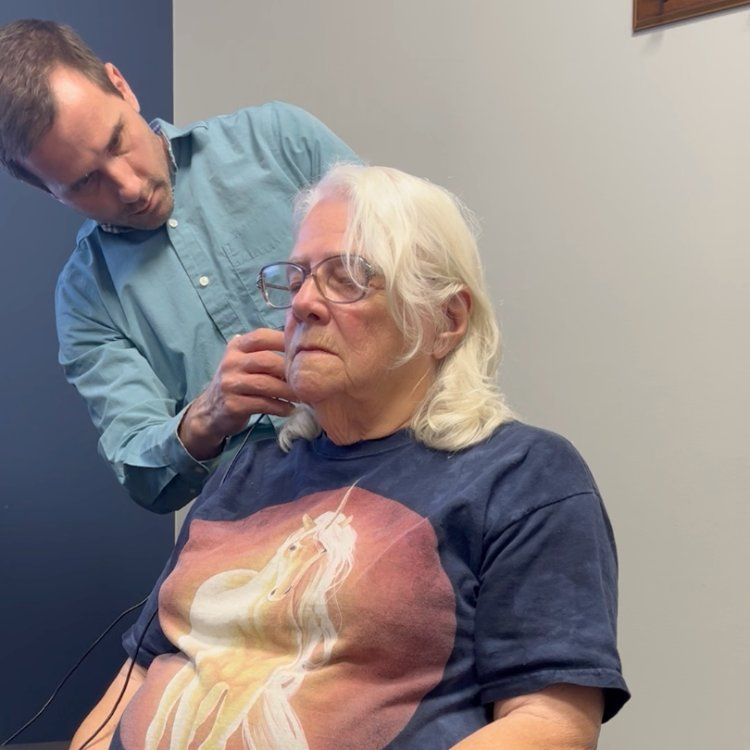
Most issues are solved while you wait.
A quiet or dead hearing aid is usually a small problem. We find out which before sending anything away.
Find the fault
Dr. Aussem checks the hearing aid, the receiver, the wax guard, and the fit to identify what is actually wrong before deciding on a course of action.
Clean & repair
Many problems are resolved in the office. When a manufacturer repair is needed, we handle the send-out and give you a realistic timeline up front.
Test before you leave
Once the hearing aid is working, we confirm it sounds right in your ear so you leave hearing well, not just trusting that it is fixed.
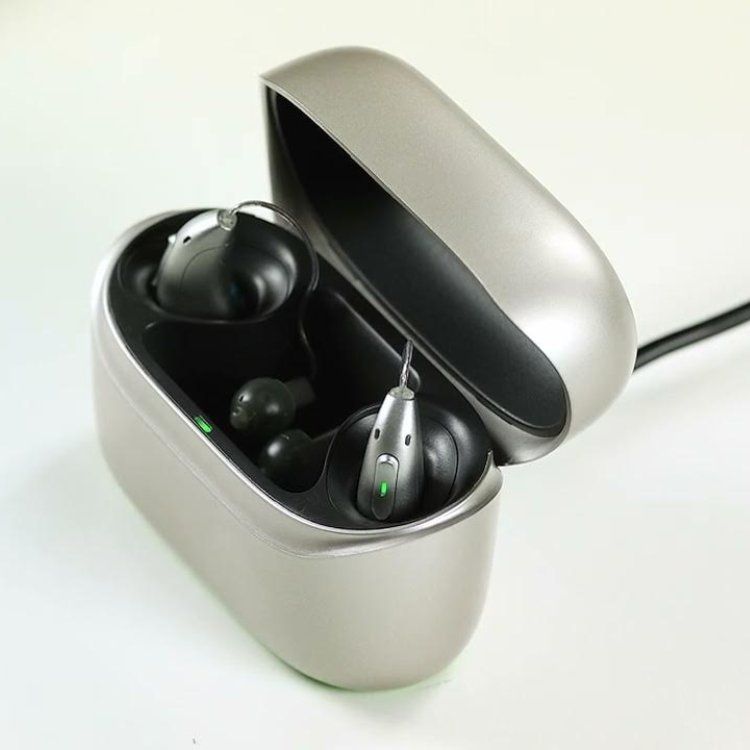
We service hearing aids from any clinic.
You do not have to be a past patient to get help here. Bring in most makes and models, no matter where you bought them, and Dr. Aussem will look at it, tell you honestly whether it is a quick in-office fix or a manufacturer repair, and get you moving either way.
A hearing aid that has gone quiet or dead is usually a small problem. Wax works into the receiver, a wax guard clogs, a dome wears out: most of those are sorted at the desk in a few minutes. Dr. Aussem checks the whole hearing aid before assuming the worst, so you are not sent away for an expensive repair when a cleaning would have done it.
Most repairs, cleanings, and tune-ups in one place.
A lot of what brings people in is routine service that keeps a working hearing aid working. Here is what Dr. Aussem takes care of, whether you bought the hearing aids from us or not.
- Deep cleaning of wax and debris from the shell, receiver, and microphone ports
- Wax guard and filter replacement, the single most common cause of a dead-sounding hearing aid
- Receiver, tube, and dome replacement when a part has worn out or cracked
- Troubleshooting hearing aids that cut out, whistle, or sound weak or distorted
- Battery-door and charging-contact issues on both disposable and rechargeable hearing aids
- Manufacturer send-out coordination for warranty and out-of-warranty repairs, handled for you from start to finish
A hearing aid you have stopped wearing helps no one.
Most hearing aids that end up in a drawer are not broken. They are clogged, out of adjustment, or fitted with a worn part, and the owner assumed the device had simply failed. A few minutes with the right tools often brings them back to full performance, at a fraction of the cost of replacement. It is worth finding out before writing them off.
Wax and moisture are the two things working against a hearing aid every single day. The receiver sits in a warm, damp canal, and even careful wearers get buildup that quietly degrades the sound over weeks. Regular cleaning is the difference between a hearing aid that lasts five or six years and one that fails early, which is why routine service is worth doing before a problem develops rather than after.
Because Dr. Aussem sees every patient himself, a repair visit is also a chance to catch the bigger picture. If a hearing aid keeps clogging, your ears may be producing more wax than usual. If it has suddenly gone weak, your hearing may have shifted and the hearing aid needs reprogramming rather than a physical repair. The device is often the first clue to something worth a proper look.
Good to know
Do you repair hearing aids I bought somewhere else?
Yes. We service most makes and models regardless of where they were purchased. You do not need to have been a patient here before bringing a hearing aid in.
How long does a repair take?
Many repairs and cleanings are handled the same visit, often while you wait. If a hearing aid needs to go to the manufacturer, we will give you a realistic timeline up front and coordinate the send-out so you are not left guessing where your hearing aid is or when it is coming back.
My hearing aids are several years old. Is it worth fixing them?
Often, yes. Plenty of older hearing aids have good life left once they are cleaned and serviced properly. If yours are genuinely at the end of the road, Dr. Aussem will say so honestly rather than put money into a repair that will not hold.
What are the most common repair issues?
Wax blocking the receiver or clogging the wax guard accounts for the majority of hearing aids that seem dead or muffled. Worn domes, cracked tubing, and debris in the microphone ports are also common and are typically resolved in the office on the same visit.
Can you check whether my hearing aids need reprogramming while I am in for a repair?
Yes. A repair visit is a good opportunity to check whether the hearing aids are still programmed correctly for your current hearing. If something has shifted, Dr. Aussem can identify it and discuss next steps while you are already in the office.
Schedule an appointment at our Glendale office.
Call or send a message and we’ll help you schedule a hearing evaluation at our Glendale office. No pressure and no sales tactics, just a clear next step.
Glendale, WI 53217