
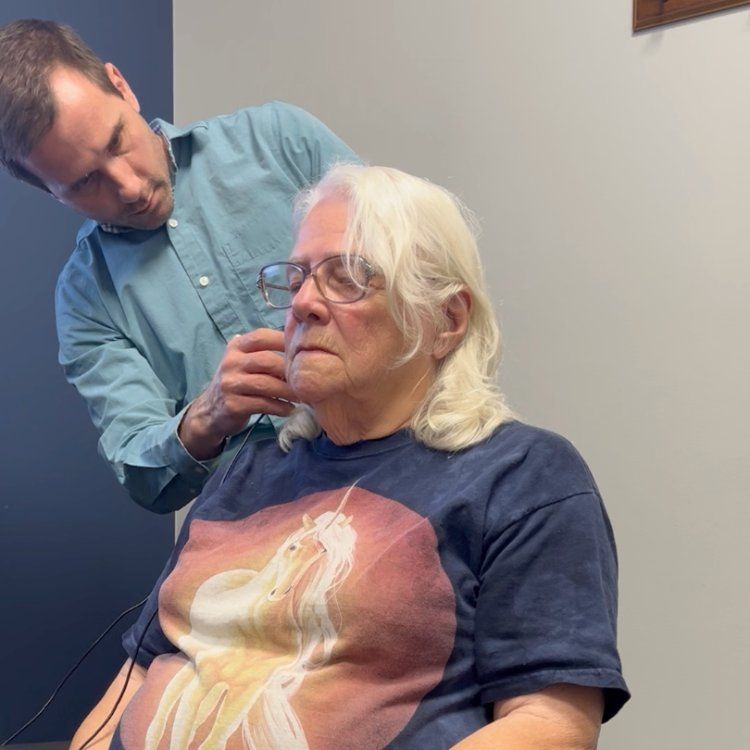
In, done, and on your way.
The right removal method depends on what is in the canal. We examine before we act.
A look inside
We examine the ear canal first to assess the type and extent of the buildup before deciding on the appropriate removal method.
Safe removal
Dr. Aussem uses the clinical method suited to your anatomy, whether that is irrigation, microsuction, or manual removal with a curette.
Clear result
You leave with open, clear canals. If you wear hearing aids, we check their performance before you go to confirm the improvement.
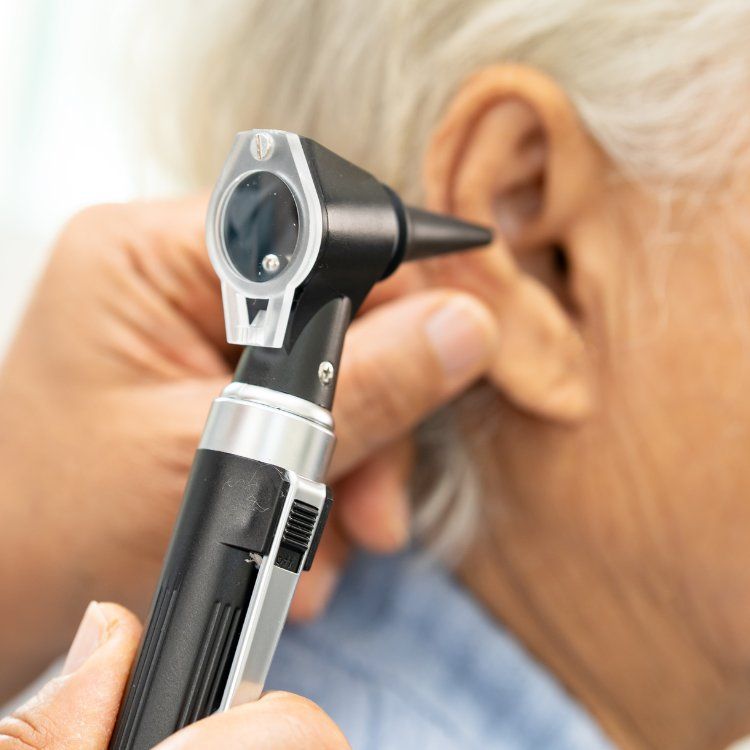
Wax can undo a good hearing aid fitting.
Earwax is the ear's natural defense, but when it builds up faster than it clears, it creates problems unrelated to your hearing loss. A blocked canal muffles sound regardless of how well your hearing aids are programmed. For hearing aid users, buildup is especially common because the devices can slow the natural outward migration of wax.
Cotton swabs and home remedies compact wax rather than remove it, often pushing the blockage deeper. Professional removal is safer and more thorough: Dr. Aussem examines the canal first, uses the right method for your anatomy, and checks your hearing aid performance before you leave.
Signs that wax may be the problem.
Earwax buildup shows up in more ways than most people expect. These are the situations that most commonly bring patients in for removal.
- Muffled or suddenly reduced hearing that came on gradually or without an obvious cause
- Hearing aids that sound blocked, feed back unexpectedly, or have stopped fitting as they used to
- A sensation of fullness or pressure in one or both ears that does not resolve on its own
- Itching or discomfort in the canal, or odd sounds when chewing or moving the jaw
- Tinnitus that has worsened alongside other signs of blockage in the same ear
- Patients who produce heavy wax and benefit from routine professional clearance every few months
Professional removal is the safe option, not just the easy one.
The ear canal is sensitive and the eardrum is close. Tools that seem harmless, like cotton swabs, bobby pins, or ear candles, carry real risks: they can push wax against the eardrum, cause irritation or minor injury, and in some cases do damage that takes time to resolve. The discomfort or muffling that prompted the attempt often gets worse before it gets better, and an impacted plug is more difficult to remove than a loose one.
Clinical removal avoids those risks because the canal is examined first and the method is chosen to match what is actually there. Different presentations call for different approaches, and a close look is the only way to know which one is right. Irrigation, microsuction, and manual removal each have situations where they work best and situations where they should not be used. That judgment is what makes professional removal meaningfully safer than the alternatives.
Earwax removal at North Shore Hearing is also a good time to check hearing aid fit and performance. Blocked canals can mimic hearing loss or mask a fitting problem, so clearing the wax and then assessing your aids in the same visit saves a separate trip. If the hearing is still not quite right once the wax is gone, Dr. Aussem can help identify what else may be going on.
Good to know
Is professional earwax removal safe?
Yes. Dr. Aussem examines the canal before choosing a removal method, which is the step that makes professional removal safer than home attempts. The right approach depends on what is actually there, and that requires a proper look first.
What removal method does Dr. Aussem use?
It depends on the type and extent of the buildup. Common clinical methods include irrigation, microsuction, and manual removal with a curette. Dr. Aussem selects the appropriate method after examining the canal rather than defaulting to the same approach for every patient.
How do I know if wax is causing my hearing problem?
Common signs include hearing that has become muffled gradually, a sensation of fullness in the ear, and hearing aids that have started to sound blocked or feed back more than usual. A quick examination confirms whether wax is the cause.
How often should earwax be professionally removed?
It varies by person. Some people rarely need it; others produce wax heavily enough to benefit from routine clearance every few months. Dr. Aussem can give you a sense of your own pattern after the first visit and recommend an appropriate interval.
Will removing the wax improve my hearing aids?
Often, yes. Wax blocking the canal or the hearing aid's receiver is a common reason hearing aids suddenly sound muffled or start feeding back. Clearing the blockage and checking the hearing aids in the same visit usually resolves the issue.
Schedule an appointment at our Glendale office.
Call or send a message and we’ll help you schedule a hearing evaluation at our Glendale office. No pressure and no sales tactics, just a clear next step.
Glendale, WI 53217