
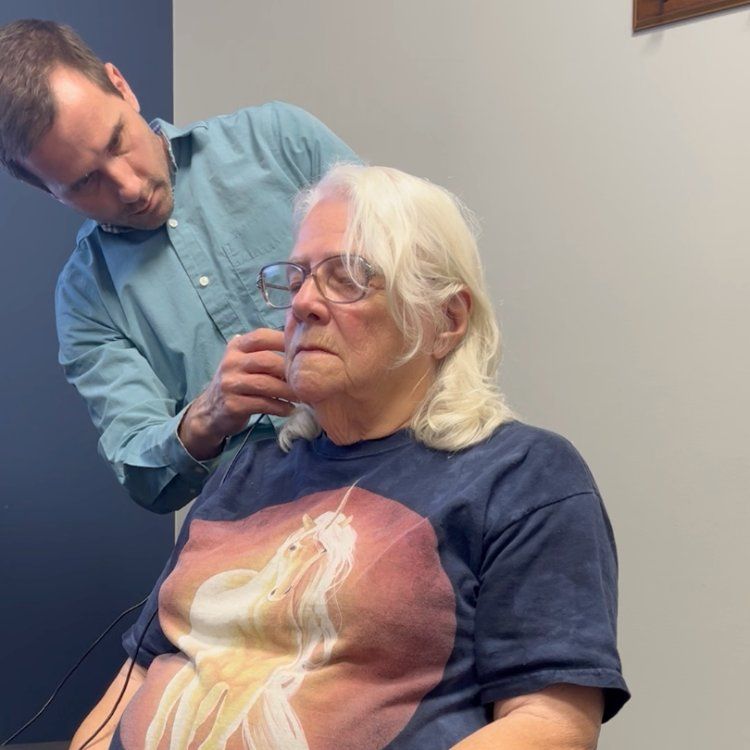
Start where communication still breaks down.
Rehabilitation starts where the hearing aid leaves off and builds the habits that make better hearing stick.
Identify the gaps
We assess where communication breaks down for you, whether that is in noise, on the phone, with specific people, or in particular environments.
Build the strategies
Dr. Aussem develops a plan tailored to your listening challenges, covering practical strategies for you and, where helpful, for the people around you.
Practice and adjust
We work through the strategies together and revisit them as your hearing care progresses, adjusting the plan as your needs and confidence change.
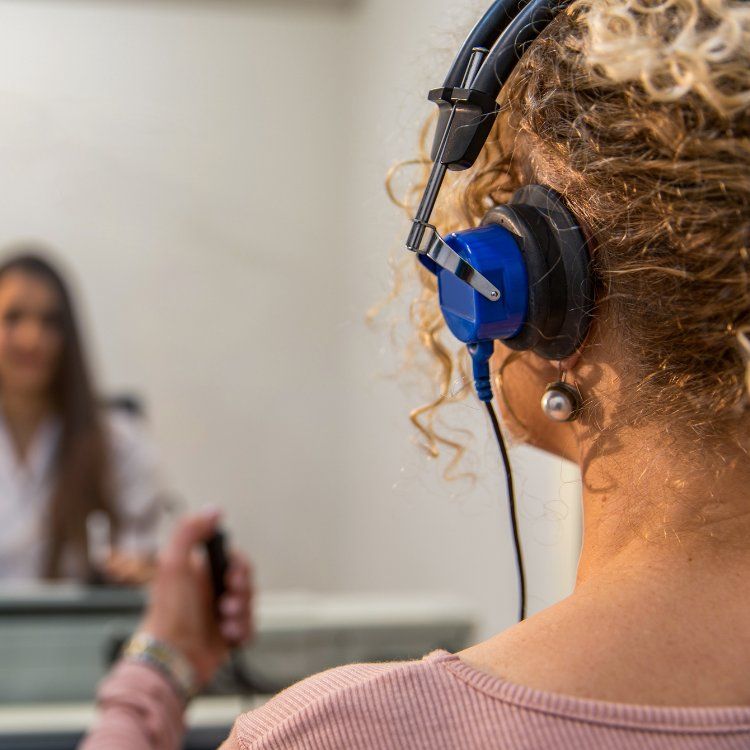
Hearing aids give you access to sound. Rehabilitation helps you use it.
A well-fit hearing aid restores a significant amount of what hearing loss takes away. But the brain still has to relearn how to interpret sound it has not heard clearly in years, and that does not happen automatically. Aural rehabilitation helps the adjustment along: developing strategies for difficult listening situations and building the confidence to engage in conversations you may have been avoiding.
For new hearing aid users, it can shorten the adjustment period and reduce the frustration that puts hearing aids in a drawer. For people with established loss, it covers the situations where even well-fit hearing aids fall short. Dr. Aussem draws on over a decade of rehabilitation experience, including his time with the VA, to build a plan around how you actually live.
For the situations where aids alone are not quite enough.
Aural rehabilitation addresses the part of better hearing that technology cannot do on its own. Here are the situations it most directly supports.
- New hearing aid users working through the adjustment period and building listening confidence
- Patients whose aids help in some situations but not enough in noisy groups, meetings, or social settings
- Practical strategies for communicating more effectively in the environments that are hardest to navigate
- Guidance for family members and communication partners on how to support clearer conversation at home
- Tinnitus coping strategies woven into broader hearing care for patients managing both conditions
- Patients returning to hearing care after a period away, rebuilding habits and expectations with updated aids
The brain is part of the hearing system.
Hearing loss does not only affect the ear. When the brain stops receiving clear sound, it gradually loses practice processing speech and becomes less efficient at filling in the gaps. Hearing aids provide clearer input, but the brain's ability to make the most of that input depends on how well it has maintained its auditory processing habits. Aural rehabilitation works on both sides of the equation: better signal coming in, and better processing of that signal once it arrives.
That is especially true for people who waited a long time before addressing their hearing loss. The longer the period without adequate sound, the more the brain adapts to working with a degraded signal, and the more deliberate adjustment is needed once that signal improves. This is not a failure of the hearing aids or the fitting. It is a normal part of the process, and one that benefits from structured attention rather than simply hoping things improve on their own.
The strategies covered in aural rehabilitation are practical, not academic. They include things like positioning yourself to take advantage of better ear and lighting conditions, using repair strategies when a conversation breaks down, and helping the people around you understand what actually supports clearer communication. Dr. Aussem tailors these to your specific situations rather than delivering a generic checklist, drawing on his extensive rehabilitation background to make the plan genuinely useful from the first session.
Good to know
Do I need hearing aids to participate in aural rehabilitation?
Not necessarily. While rehabilitation often works alongside hearing aid use, many strategies apply regardless. Dr. Aussem tailors the plan to where you are in your hearing care journey rather than requiring a specific starting point.
Who benefits most from aural rehabilitation?
New hearing aid users working through the adjustment period benefit significantly. So do patients who feel their hearing aids help in some situations but not enough in others. People returning to hearing care after a long time away also find it particularly useful.
Can family members or communication partners be involved?
Yes, and it often helps. Communication is a two-way process, and family members who understand how to support clearer conversation can make a meaningful difference in how well the strategies work in everyday life.
How long does aural rehabilitation take?
It varies depending on your starting point and goals. Some patients benefit from a few focused sessions; others incorporate rehabilitation as an ongoing part of their hearing care. Dr. Aussem outlines a reasonable timeline once he has a clear picture of your situation.
Is this different from my regular hearing aid follow-up appointments?
Yes. Follow-up appointments focus on device performance. Aural rehabilitation focuses on the person wearing the device: the listening strategies, communication habits, and confidence that help you get more out of every interaction.
Schedule an appointment at our Glendale office.
Call or send a message and we’ll help you schedule a hearing evaluation at our Glendale office. No pressure and no sales tactics, just a clear next step.
Glendale, WI 53217