
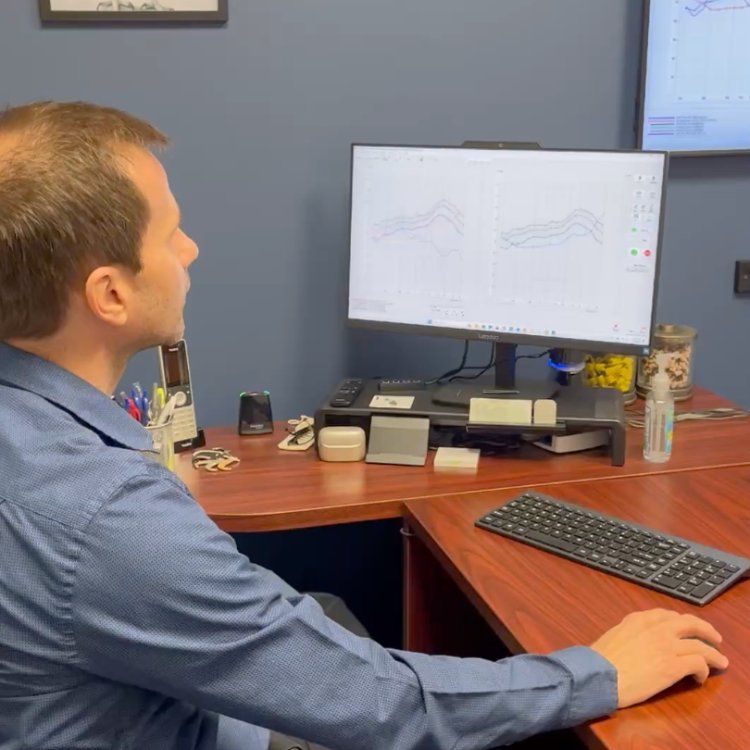
A real assessment before any plan.
Tinnitus management starts with a real evaluation, not a generic protocol. We need to understand your tinnitus before we can address it.
Tinnitus history
We start with a detailed conversation about your tinnitus: when it started, what it sounds like, what makes it better or worse, and how much it is affecting your life.
Evaluation and measurement
A hearing evaluation and tinnitus-specific testing characterize the pitch and loudness of the tinnitus and assess any associated hearing loss that may be contributing.
Personalized plan
Dr. Aussem builds a management plan around your specific tinnitus and lifestyle, covering sound therapy, coping strategies, and device-based options where appropriate.
There is no single cure. There is a lot that helps.
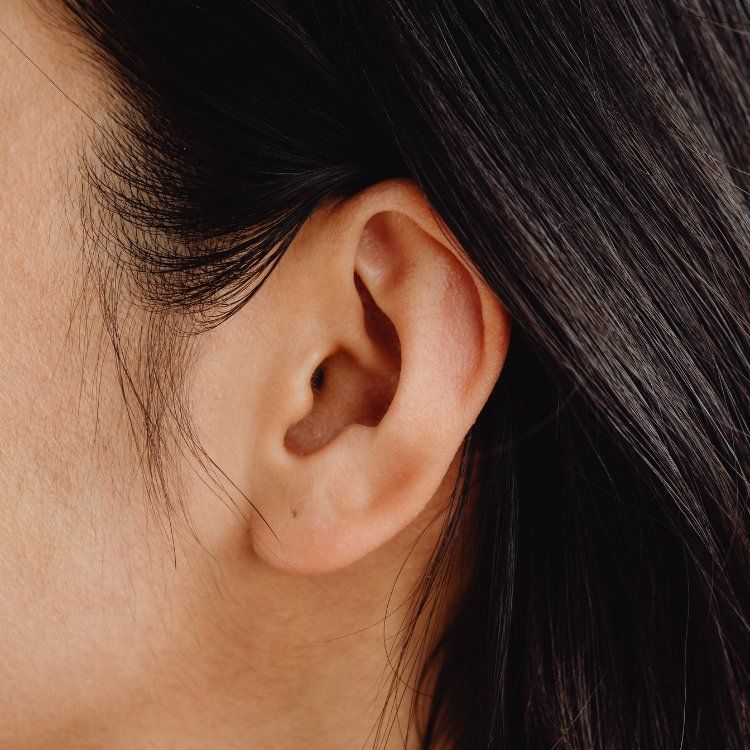
Tinnitus is the perception of sound with no external source: ringing, buzzing, hissing, or other sounds only you can hear. It is common, it is real, and the frustration of being told there is nothing to be done is something most patients have already encountered before they arrive here.
There is no single cure, but well-established approaches can meaningfully reduce how much it intrudes. Sound therapy helps the brain deprioritize the signal over time. Counseling addresses the heightened attention that makes it feel louder than it is. Hearing aids, when loss is present, often reduce tinnitus as a side effect of restoring ambient sound. Dr. Aussem builds a plan around what fits your specific situation.
Tinnitus worth evaluating.
Not all tinnitus is the same. These are the presentations that most benefit from a proper evaluation and a structured management plan.
- Persistent ringing, buzzing, hissing, or clicking that has lasted more than a few weeks
- Tinnitus that is noticeably worse in quiet environments or that makes it difficult to fall asleep
- Sleep disruption from tinnitus that has persisted and is affecting concentration or daily function
- Tinnitus alongside hearing loss, which often responds well to hearing aids as part of the management plan
- Sudden onset tinnitus, or tinnitus in one ear only, that warrants prompt evaluation and possible referral
- Noise exposure history with ongoing tinnitus following occupational or recreational exposure
Tinnitus is not just a hearing problem.
The sound of tinnitus is generated in the auditory system, but the distress it causes is largely determined by how the brain responds to it. Two people can have tinnitus of identical measured loudness, with one barely noticing it and the other significantly affected. The difference is usually not the tinnitus itself but how much attention the brain has learned to direct toward it, and how much anxiety has built up around it over time. Effective management works on both the sound and the response to it.
Sound therapy helps by reducing the contrast between the tinnitus and the surrounding acoustic environment. When there is nothing else to listen to, the brain defaults to the tinnitus. When a gentle background sound is present, the tinnitus becomes one signal among several rather than the only thing available to hear. Over time, many patients find the tinnitus moves further into the background, even when they are not actively using a sound source. This is not a cure, but it is a meaningful and sustainable improvement in how much tinnitus affects daily life.
Dr. Aussem's background includes extensive tinnitus evaluation and management from his years with the Department of Veterans Affairs, where tinnitus is among the most commonly reported conditions. That experience informs a structured, patient-centered approach that starts with a real assessment rather than a generic protocol. If there is an underlying hearing loss contributing to the tinnitus, it is addressed alongside the tinnitus management so the plan covers both rather than treating them as separate problems.
Good to know
Is there a cure for tinnitus?
There is no single cure, but there are well-established approaches that meaningfully reduce how much tinnitus affects daily life. Sound therapy, counseling, and hearing aids when hearing loss is also present can all contribute to a significant improvement in how intrusive the tinnitus feels.
What causes tinnitus?
The most common cause is noise exposure, often alongside hearing loss. Other causes include ear infections, earwax blockage, certain medications, and age-related changes in the auditory system. A thorough evaluation helps identify any contributing factors and guides the management plan accordingly.
Can hearing aids help with tinnitus?
Often, yes. When hearing loss is also present, restoring ambient sound through hearing aids can reduce the contrast that makes tinnitus more prominent. Many patients notice the tinnitus becomes less intrusive once their hearing aids are properly fit and adjusted.
What is sound therapy and how does it work?
Sound therapy uses low-level background sound to reduce the contrast between the tinnitus and the surrounding environment. When a gentle ambient sound is present, the brain has less reason to focus on the tinnitus signal, and over time many patients find it moves further into the background.
Should I see a doctor before coming in for a tinnitus evaluation?
You do not need a referral to schedule a tinnitus evaluation at North Shore Hearing. If the evaluation identifies something that warrants medical follow-up, Dr. Aussem will connect you with the appropriate provider through his physician referral network.
Schedule an appointment at our Glendale office.
Call or send a message and we’ll help you schedule a hearing evaluation at our Glendale office. No pressure and no sales tactics, just a clear next step.
Glendale, WI 53217