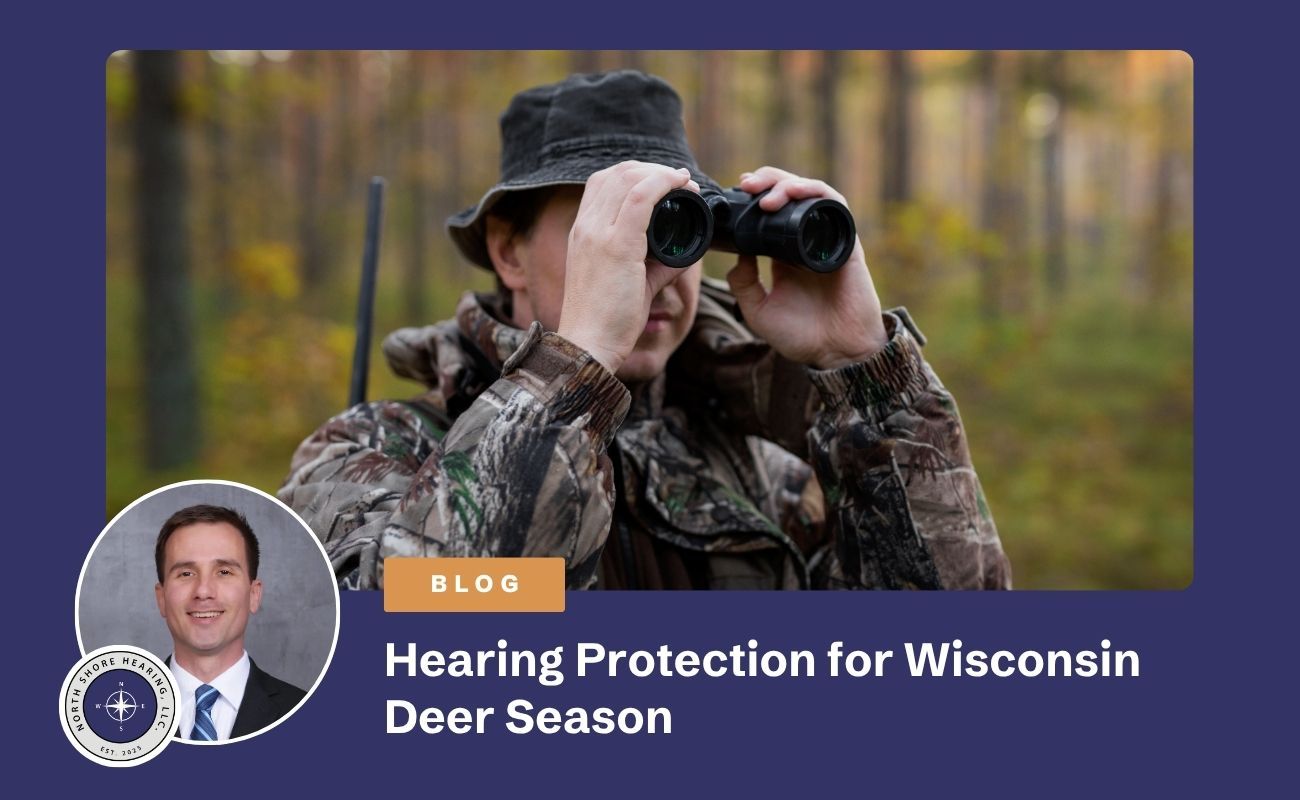
One unsuppressed rifle shot produces an impulse of somewhere between 150 and 175 dB, depending on the caliber. NIOSH and OSHA research on firearm noise puts the damage threshold at 140 dB peak sound pressure level. A single shot above that number can cause permanent hearing loss in an instant. Not over years. Not after repeated exposure. One shot, no protection, and the damage is already done before you've racked another round.
That's the part a lot of hunters don't think about until it's too late. A ringing ear after a morning at the stand isn't a normal part of the hobby. It's a sign that something just got hurt.
Why So Many Hunters Skip It Anyway
Here's the honest reason compliance is so low out in the field: foam plugs work decently well, but they also shut off your ears to everything else. You lose the rustle of a deer working through dry leaves. You lose your hunting partner's whisper telling you to get ready. For a lot of guys, that tradeoff feels worse than the risk of one loud shot, so the plugs stay in the truck.
It's a real dilemma, and it's not one that gets solved by telling people to just wear their foam plugs and deal with it. Situational awareness matters in the woods. Any solution that ignores that isn't going to get used, no matter how much protection it offers on paper.
And the thing about hearing damage from a single shot is that it doesn't announce itself the way an injury usually does. There's no sharp pain that sends you to urgent care. Just a bit of ringing that fades, or seems to. Some of that damage is permanent even when the ringing goes away, because the hair cells inside the inner ear that got overloaded by the pressure wave don't grow back. That's what makes impulse noise different from the slow, gradual hearing loss that comes from years of loud machinery or lawn equipment. One shot can do it.
The Options, in Plain Terms
Foam plugs and muffs. Cheap, easy to find at any sporting goods store, and pretty effective at blocking noise. The tradeoff is exactly what we just described. Great hearing protection, poor situational awareness. Fine for the range. Less practical for a stand where you're relying on your ears to know what's moving around you.
Custom-molded plugs. These are shaped from an impression of your own ear canal, so the seal is consistent every time you put them in. They're comfortable enough to wear for hours, and unlike foam, they hold up for years rather than getting tossed after a few uses. They still block sound passively, so they don't solve the awareness problem on their own, but a proper seal blocks more of the dangerous impulse noise than a foam plug that's only halfway in.
Electronic or level-dependent protection. This is the option that actually addresses the dilemma hunters are dealing with. These plugs or muffs amplify quiet sounds, footsteps, twigs snapping, a low voice, and then clamp down instantly the moment they detect a gunshot-level impulse. You get better awareness than you'd have with your bare ears, and the shot itself gets cut down to a safe level. For anyone who's been skipping protection because they can't afford to lose their hearing in the field, this is usually the answer.
A Practical Note on Timing
Custom hearing protection starts with an ear impression, and there's a turnaround time after that before the finished plugs are ready. If you're hoping to have them in hand before hunting season starts, the best time to get the impression made is now, not the week before opening day. Turnaround can take a few weeks depending on the lab's schedule, and that window shrinks fast once fall bookings pick up.
We're not saying this to create pressure. It's just how the process works, and it's a lot easier to plan around early than to be scrambling at the last minute.
If You Already Wear Hearing Aids
This comes up more than people expect. If you already wear hearing aids and hunt, you've probably run into the same problem from the other direction: you need the amplification to hear anything at all, but a standard hearing aid isn't built to survive a gunshot-level impulse next to your ear.
The good news is this doesn't have to be an either-or situation. There are hunting-specific solutions built for exactly this, designed to give you the amplification you rely on day to day while still protecting your ears from impulse noise when a shot goes off. Some patients are surprised to learn their existing hearing aids may already have settings that can help, and others do better switching to a dedicated hunting device for the season. Either way, it's worth a conversation rather than assuming you have to choose between hearing well and protecting what hearing you have left.
Come In for an Impression
Before we can fit custom protection, we need clear ear canals to work from, which is also where earwax removal sometimes comes in first. If it's been a while since your last check, a hearing evaluation is a good place to start anyway, since it gives us a baseline for how your ears are doing before deer season adds anything else to the mix.
We fit hearing protection for hunters throughout the Milwaukee area, including custom earplugs for patients coming from Glendale and the surrounding North Shore communities. Dr. Joe Aussem has spent years working with patients on practical, prevention-focused hearing care, not a sales pitch, just a straightforward look at what will actually protect your ears in the field.
If you're ready to get an impression made, give us a call at 414-906-1145 and we'll get you set up.